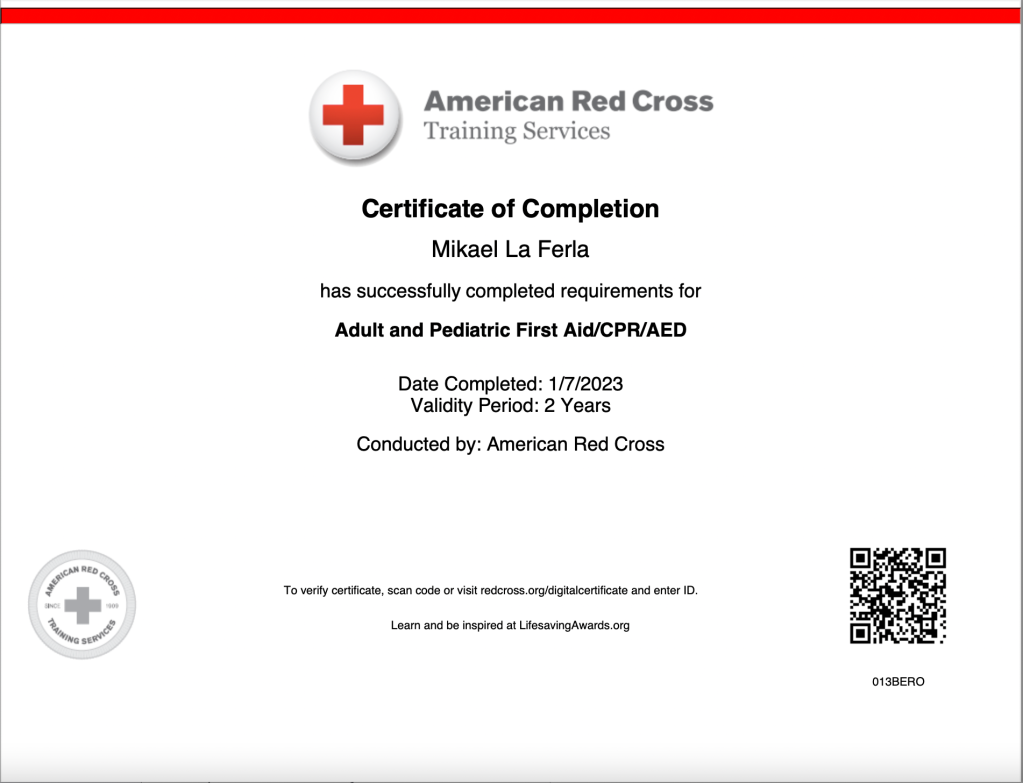
Completed by Mikael La Ferla
Born and Raised in Philadelphia

Mikael La Ferla is a Real Estate Accountant at PMC Property Group, Inc. and an MBA student at Rutgers University. In his free time, he is working towards launching Shopden, a user-friendly solution to helping people with their personal finances.
Completed by Mikael La Ferla
COURSE PROJECT
Framing Front-End
Web Development
In this course project you will solidify your understanding and application of mental models vis-à-vis web development.
Except as indicated, use this document to record all your project work and responses to any questions. At a minimum you will need to turn in a digital copy of this document to your instructor as part of your project completion. You may also have additional supporting documents that you will need to submit. Your instructor will provide feedback to help you work through your findings.
Note: Though your work will only be seen by those grading the course and will not be used or shared outside the course, you should take care to obscure any information you feel might be of a sensitive or confidential nature.
Complete each project part as you progress through the course. Wait to submit the project until both parts are complete. Begin your course project by completing Part One below. A submit button can be found on the final Course Project assignment page. Information about the grading rubric is available on any of the course project assignment pages online. Do not hesitate to contact your instructor if you have any questions about the project.
Part One
In this part of the course project you will choose a website and use it to describe your own mental model for how you think it should work. By going through this project part you will continue to improve your ability to recognize how your design decisions impact others.
Note: For this mental exercise to be most beneficial, choose a website that you find frustrating to navigate.
Answer the questions below.
| 1 | What website are you choosing for this project part? Paste the URL in the answer box to the right. | I’m choosing to do Craigslist in Philadelphia.https://philadelphia.craigslist.org |
| 2 | Using the concepts presented in this module, describe what led to a frustrating user experience. | I’ve never used Craigslist but I’ve heard of it many times, so I decided to browse and see what it had. The website seems really outdated as there isn’t any pictures or engaging content (like LinkedIn, Instagram, Twitter, etc.). It’s still somehow a very popular website, although I’m not exactly sure. |
| 3 | What would you recommend to the original designers of the website, knowing what you know now? Be specific, and consider drawing or mapping a new model for how the navigation elements of the website should work. | My suggestion would be to have a similar user interface to LinkedIn, Instagram, and Twitter, so it’s more engaging. But at the same time, the website’s simplicity may be a reason for why it’s so popular. I’m not sure, but maybe Craigslist isn’t for my generation but for people in their 30s/40s.s |
Part Two
Consider the Audience
In this part of the course project will use the same website you chose for Part One to consider how the audience’s needs are or are not being met.
| 1 | Considering the same website that you chose in Part One, who do you think the target audience is? Is it clear? Why or why not? | Answer here |
| 2 | Based on who you think the target audience(s) is, how would you revise your initial recommendations to the web designer? | Answer here |
| 3 | Can you identify 2-3 biases in the design of the website? We encourage you to use the resources found on GenderMag.org to help you in crafting your response. | Answer here |
Written by Mikael La Ferla
Two weeks ago, I began using the Calendar application on my iPhone to set my work and class schedule, errands, and social events. As I began entering each event, I started wondering how I would be notified prior to the events happening. I then started creating duplicate events: one to prepare myself for the event and the actual event itself. After I finished, I tried viewing my scheduled events from a wide scope, but all my phone was showing me was the days of the month and gray dots on them. It was very inconvenient to have and click on each day now to remember what I have!

I then downloaded Google Calendar, which has been much better. I’m able to set up efficient reminders, see my events at a glance, and I have my calendar synced to all of my devices.

My days of using the normal Calendar app are behind me!
Written by Mikael La Ferla
Mikael La Ferla
January 1, 2023
UMass Amherst Marketing Assignment #1
Fiery Base Pizza Marketing Mix
DESCRIPTION
A new pizza joint, Fiery Base, has opened in your area, which needs help with a strong and outcome-oriented marketing plan. The plan should include strategies for attracting customers, promoting the business, and expanding the customer base. Additionally, it should identify potential target markets and discuss how to best reach them. Finally, the plan should outline the marketing mix, buyer persona, and promotion plan.
Objective:
To develop a marketing plan for a newly opened pizza joint in the local area.
Background of the problem statement:
The pizza joint in question opened recently and has been struggling to draw in customers. They have been marketing locally and spreading the message about its newly opened place, but there has been no visible impact. The business owners have hired you in hopes that you can help turn things around and increase their sales. You have these four tasks:
(1) Identify the 5 Ps of marketing
(2) Recognize the ideal target audience by creating a buyer persona
(3) Map the segmentation, targeting, and positioning strategy for the brand
(4) Develop digital campaign ideas for brand promotion
(To complete this project, you will need to have a solid understanding of marketing principles and strategies. Additionally, it will be helpful to be familiar with the local area and its demographics.)
How is the pizza joint experimenting with its new menu?
The pizza joint is trying to attract customers with its new menu. The menu includes a variety of pizza toppings, as well as some traditional Italian dishes.
What kind of customers are they targeting?
The pizza joint is targeting families, young adults, and businesses in the local area. They are specifically targeting customers who are looking for an affordable, convenient, and delicious pizza option. Additionally, they are hoping to attract customers who are looking for a new and different dining experience.
Pricing strategy for the new pizza range:
The pizza joint is offering a discount for customers who order online. Additionally, they are working on a delivery service that will allow customers to have their pizzas delivered to their homes or offices.
Promotion strategy:
The pizza joint is promoting its new menu through word-of-mouth, flyers, and online ads.
What is to be expected in the project?
Coverage for buyer persona:
While developing the buyer persona, outline the same in the format below:
1. Name:
2. Age:
3. Location:
4. Occupation:
5. Family status:
6. Income:
7. Personality type:
8. Hobbies or interests:
9. Why they would visit the pizza joint:
10. What would they order:
11. What would make them return:
1) The 5 Ps of marketing are: product, price, place, people, and promotion. Below is the breakdown of Fiery Base’s marketing mix:
2) (The source I used for this fact is: https://thepizzacalc.com/pizza-consumption-statistics-2022-in-the-usa/)
Pizza consumption is high in the adolescent age group (kids and teens), which also ties in another potential age group: adults. Since kids do not normally go into restaurants and buy food for themselves, parents will often be the ones going in with them. It is important to have food options that appeal to parents so they can keep bringing their family there. Having family-friendly prices and healthy options, parents will be more inclined to take their kids to Fiery Base than a pizza place that doesn’t provide the same experience for families. Below is the format for the buyer persona:
1. Name: Michael Gary Scott
2. Age: 45 years old
3. Location: Philadelphia, PA
4. Occupation: Regional Manager at a mid-level paper company
5. Family status: Two kids and a wife
6. Income: ~$80,000 a year
7. Personality type: Family-oriented
8. Hobbies or interests: Centered around his family
9. Why they would visit the pizza joint: There’s a food option for everyone in the family
10. What would they order: Pizza, salad, soup, or pasta.
11. What would make them return: Family-friendly foods and prices, convenient location, and great customer service
3) The four types of Market Segmentation Fiery Base will utilize are: geographic and demographic. For a business as straightforward as this, the other two market segmentations are not necessary.
Geographic
Demographic
4) I think a great digital campaign idea is to make 5 of the best pizzas Fiery Base has, display all of them on a big table, take a picture and post/announce it everywhere (social media, paper menus, word of mouth, public display, etc.) that the first 40 people who come to Fiery Base get a free slice. Once they get there, the people can take pictures eating the pizza and post it with the Fiery Base’s tag.
Thank you,
Mikael La Ferla
Food (provocative facts):
The players involved in the negative implications of farming and growing food are bodies of water, native species and habitats, forests, and humans. The poorly regulated farming industry has contributed to water and atmosphere pollution, chronic diseases, and deforestation, to reiterate the previous page’s bullet-point list. For these reasons, we must launch a campaign that addresses the health and environmental issues from unsustainable food production while also providing realistic solutions. An example of this is Desert Bloom, an organization that invests in and assists companies interested in reforming our food environment to satisfy consumer demands and support people and the ecosystem’s health. Desert Bloom’s mission statement is “to make food that is healthy and environmentally regenerative ubiquitously available and accessible to everyone.” The meaning behind the campaign’s name is that most food environments are “nutrition” deserts with little access to healthy, fresh foods and strives to satisfy the strong demand for local, indigenous blooms. Desert Bloom distinguishes itself from other organizations with similar objectives because it aims to establish a culture of compassion, collaboration, and relentlessness in improving the status quo of farming and food production. Desert Bloom also relies on its extensive company research in creating viable alternatives to traditional food brands. Its focus is primarily on fast food, soda, candy, and industrial agriculture, all of the most significant food disruption opportunities.
A handful of brands are centered around making food more affordable, accessible, and nutritional. Desert Bloom’s plans to work with are Gotham Greens, Beyond Good, Everytable, Clover, and Hungry Harvest. In addition to these names, Desert Bloom plans to add 1-2 businesses per year to attract more investors and increase engagement in this field. Desert Bloom has a $30 million fund and plans to use its money by increasing stakes in existing companies in future rounds, leading or co-lead rounds in another 3 to 5 companies, and strategically finding ways for a disruptive food company to adapt to Desert Bloom’s standards of food production. The organization leaders are Hans Taparia and Sohel Shikari. Their professional exposure in networking technology and passion for food reform sets up Desert Bloom with much-needed experience and guidance.
To make this campaign known to the public, a creative idea that would bring a lot of positive attention to Desert Bloom is getting celebrities that are genuinely concerned about the negative effects of food while also relating to younger audiences. Robert Downey Jr. and his wife, Susan Downey, run “Footprint Coalition,” a nonprofit designed to help use technology to address environmental issues prevalent in society. Susan and Robert have used their organization’s capital in gathering thinkers, investors, companies, and entrepreneurs to discover new ways to restore the environment. They also invest in early and late-stage companies that have similar goals in tackling these issues. Their research is backed by scientists, engineers, technologists, and nonprofit leaders who are also educated and passionate in this field. By collaborating with Footprint Coalition, Desert Bloom would receive the necessary public recognition while assisting Downey’s nonprofit with research and development.
The main Sustainable Development Goals (SDGs) associated with the campaign would be Zero Hunger (2), Good Health and Well-being (3), Clean Water and Sanitation (6), and Sustainable Cities and Communities (11). These goals complement each other as we strive to discover effective solutions to food insecurity and production inefficiencies.
To summarize the stakeholder analysis from Desert Bloom, the four required actions are to keep stakeholders satisfied, manage them closely, keep them informed, and monitor them. First, our main stakeholders would consist of scientists, investors, food companies, and private citizens. It is paramount that people interested in food/farming reform are aware of our organizations’ goals and operations. Once we attract enough people, we turn to financial and factual support from scientists and investors to achieve our objectives. Keeping these stakeholders satisfied and informed with our progress would allow Desert Bloom to raise more capital and awareness, ultimately being reinvested back into finding alternatives for sustainable food production. Monitoring and managing our stakeholders closely will also strengthen our engagement with them.
Works Cited
CDC.gov. “Health and Economic Costs of Chronic Diseases.” Centers for Disease Control and Prevention, Centers for Disease Control and Prevention, 17 Nov. 2020, www.cdc.gov/chronicdisease/about/costs/index.htm.
Coppola, Daniela. “U.S.: Largest Grocery and Supermarket Chains 2017.” Statista, 30 Nov. 2020, http://www.statista.com/statistics/197899/2010-sales-of-supermarket-chains-in-the-us/.
Footprint Coalition. “ABOUT.” Footprint Coalition, 2019, http://www.footprintcoalition.com/.
Mind Tools Content Team. “Stakeholder Analysis: Winning Support for Your Projects.” Project Management Skills From MindTools.com, 2018, http://www.mindtools.com/pages/article/newPPM_07.htm.
National Health Council. “About Chronic Diseases.” Putting Patients First, 2019, nationalhealthcouncil.org/wp-content/uploads/2019/12/AboutChronicDisease.pdf.
Sheehan, Kim. “Fast Company Festival of Innovation: Robert Downey Jr. and Susan Downey.” Advertising and Brand Responsibility, 15 Oct. 2020, blogs.uoregon.edu/mabr/2020/10/05/fast-company-festival-of-innovation-robert-downey-jr-and-susan-downey/.
University of Minnesota. “Nutritious foods have lower environmental impact than unhealthy foods.” ScienceDaily. ScienceDaily, 28 October 2019. <www.sciencedaily.com/releases/2019/10/191028164358.htm>.
USDA. “Key Statistics & Graphics.” USDA ERS – Key Statistics & Graphics, 2019, http://www.ers.usda.gov/topics/food-nutrition-assistance/food-security-in-the-us/key-statistics-graphics.aspx.
Fashion (provocative facts):
The players involved in fast fashion’s negative implications are bodies of water, native species and habitats, and humans. The poorly regulated fashion industry has contributed to water and atmosphere pollution, gender inequality, and health complications among people in developing countries, to reiterate the previous page’s bullet-point list. For these reasons, we must launch a campaign that addresses the health and environmental issues from unsustainable fashion production while also providing realistic solutions. An example is the Sustainable Apparel Coalition (SAC). This organization is focused on making all apparel, footwear, and textiles environmentally-friendly and positively impacting the people and communities associated with its activities. SAC represents over 250 member organizations, $750 billion in annual revenue, and is operating in 35 countries worldwide. It is headquartered in Oakland, California. SAC’s mission statement is “driving collaboration, innovation, and action on sustainability in the footwear, apparel, and home textiles supply chain.” SAC distinguishes itself from other organizations with similar objectives because it creates The Higg Index, which provides SAC a variation of tools used to paint a realistic picture of the direction it is heading in. The suite of tools enables brands, retailers, and facilities of all sizes to accurately measure and score a company or product’s sustainability performance at every stage in their sustainability journey. Higg product tools, Higg facility tools, and Higg brand & retail tools are all a part of the Higg Index mix.
Higg product tools help brands, retailers, manufacturers, and academics understand the environmental impacts of apparel, footwear, and textiles. There are two product tools: the Higg Materials Sustainability Index (Higg MSI) and the Higg Product Module (Higg PM).
Higg facility tools measure environmental and social sustainability impacts in manufacturing facilities around the world. There are two Higg Facility Tools: Higg Facility Environment Module (Higg FEM) and Higg Facility Social & Labor Module (Higg FSLM).
Global brands and retailers use higg brand & retail tools to assess the sustainability of product life cycles, their operations’ environmental performance, and the social impacts across the value chain.
SAC’s first partnerships with Walmart and Patagonia have now grown to work with over 220 institutions across the fashion industry, including retailers, suppliers, trade associations, nonprofits, and brands. SAC plans to address sustainability issues in all of its operating countries with The Higg Index’s research. The organization leader is Amina Razvi (Executive Director), as she is committed to scaling the Higg Index globally to drive the social and environmental improvements the industry needs to become sustainable. To make this campaign more known to the public, a creative idea that would bring a lot of positive attention to SAC is getting celebrities genuinely concerned about the harmful effects of fast fashion while also relating to younger audiences. I believe a prominent figure in the environmental activism and film industry is Leonardo DiCaprio. Winning numerous awards for his roles in “The Wolf of Wall Street” and “The Revenant” is not the only thing that solidifies him as a human being but also his foundation, which supports organizations and initiatives designed to solve issues that plague the environment. He serves on boards such as the World Wildlife Federation (WWF) and Global Green USA, targeting conserving nature and reducing pressing threats to wildlife and climate. Therefore, many people who love watching DiCaprio’s films would be eager to listen to him deliver our mission of addressing fast fashion’s consequences.
The main Sustainable Development Goals (SDGs) associated with the campaign would be Good Health and Well-being (3), Clean Water and Sanitation (6), and Sustainable Cities and Communities (11). These goals complement each other as we strive to discover effective solutions to unsustainable fashion and production inefficiencies.
To summarize the stakeholder analysis from SAC, the four required actions are to keep stakeholders satisfied, manage them closely, keep them informed, and monitor them. First, our main stakeholders would consist of scientists, mathematicians, investors, governments, and private citizens. It is paramount that people interested in fashion reform are aware of our organizations’ goals and operations. Once we attract enough people, we turn to financial and factual support from scientists and investors to achieve our objectives. Keeping these stakeholders satisfied and informed with our progress would allow SAC to raise more capital and awareness, ultimately reinvesting back into finding alternatives for sustainable clothing production. Monitoring and managing our stakeholders closely will also strengthen our engagement with them.
Works Cited
Ashley Pek. “9 Scary Facts About Fast Fashion.” Infinite Blog by Style Theory, 30 Oct. 2019, infinite.styletheory.co/9-scary-facts-about-fast-fashion/.
Darmo, Jennifer. “20 Hard Facts and Statistics About Fast Fashion.” Good On You, 27 July 2020, goodonyou.eco/fast-fashion-facts/.
McCourt, Katie. “Ten Facts About Fast Fashion.” Medium, Medium, 29 Jan. 2020, medium.com/@katieannabel/ten-facts-about-fast-fashion-4dec25a34fb.
McFall-Johnsen, Morgan. “The Fashion Industry Emits More Carbon than International Flights and Maritime Shipping Combined. Here Are the Biggest Ways It Impacts the Planet.” Business Insider, Business Insider, 21 Oct. 2019, http://www.businessinsider.com/fast-fashion-environmental-impact-pollution-emissions-waste-water-2019-10.
Sustainable Apparel Coalition Team. “Collaboration & Impact.” Sustainable Apparel Coalition, 2020, apparelcoalition.org/collaboration-impact/.
Sustainable Apparel Coalition Team. “The Higg Index.” Sustainable Apparel Coalition, 2020, apparelcoalition.org/the-higg-index/.
Sustainable Apparel Coalition Team. “Transforming the Apparel, Footwear, and Textile Industry.” Sustainable Apparel Coalition, 2020, apparelcoalition.org/.
Written by Mikael La Ferla
Fast fashion’s heavy impact on peoples’ consumption over the last 30 years has recently started a movement of people purchasing fewer apparel products overall and buying from companies with ethical and sustained production. Morgan Stanley analyst Geoff Ruddell stated how “consumers have reached peak happiness with clothing purchases,” resulting from people already having so many clothes in their closets (Jasmine Wu). Ruddell’s theory of the Law of Diminishing Marginal Utility, which is the decline in satisfaction from every additional unit bought, is correlated to more people wanting to be a benefactor for the environment. Although stores like Zara and H&M have successfully drawn people to buying clothing, the early stages of shoppers shifting towards sustainable shopping result from the economic and environmental awareness that customers now possess. Fashion production makes up “10% of humanity’s carbon emissions,” and clothing manufacturing is the second-largest user of the world’s water supply (Morgan McFall-Johnson). In addition to how fast fashion negatively affects the earth’s water supply, “85% of all textiles” end up in either landfills or the ocean each year (Morgan McFall-Johnsen). As these water supplies dry up, the thousands of tons of polyester and other types of microfibers adds to the existing problem of polluted waters and wildlife. Moreover, the drastic effects of fashion are related to food production since “food accounts for approximately 66%” of our water collection (The71Percent). The microfabrics that fill oceans and streams are unfortunately eaten and digested by fish and other species, which are ultimately consumed by us. For these reasons, to support the movement against fast fashion, we need to incorporate affirmative strategies that preserve the earth’s limited resources and incentivizes companies to believe in our goal. First, people need to envision the truth behind how common products are manufactured by promoting awareness of these realities. Second, provide realistic, sustainable choices to consumers and create legislation for clothing companies who uphold these environmentally-friendly practices. Third, selecting public figures who directly align with our core values of advocating for this change would expand our target audience to more significant measures. Fourth, working with, and not against, companies to build partnerships through finding the balance between profit and social responsibility. Fifth, being resilient by forming a back-up plan in case of disruptions occur. Some examples of events that could prevent us from moving forward are having people within the organization preoccupied with something else or failing to negotiate a plan with a specific company. Sixth, having our platform supported by integrity and evidence ensures that our journey is communicated well with the people leading the mission.
In regard to finding a celebrity who we can market to our target audience, I believe a prominent figure in the environmental activism and film industry is Leonardo DiCaprio. Winning numerous awards for his roles in “The Wolf of Wall Street” and “The Revenant” is not the only thing that solidifies him as a human being but also his foundation, which supports organizations and initiatives designed to solve issues that plague the environment. He serves on boards such as the World Wildlife Federation (WWF) and Global Green USA, which target conserving nature and reduce pressing threats to wildlife and climate. Therefore, many people who love watching DiCaprio’s films would be eager to listen to him deliver our mission of addressing fast fashion’s consequences.
Works Cited
McFall-Johnsen, Morgan. “These Facts Show How Unsustainable the Fashion Industry Is.” World Economic Forum, 31 Jan. 2020, http://www.weforum.org/agenda/2020/01/fashion-industry-carbon-unsustainable-environment-pollution/.
TFL. “Buying Clothes Doesn’t Really Make People Happy Anymore, Says Morgan Stanley.” The Fashion Law, 17 Oct. 2019, http://www.thefashionlaw.com/buying-clothes-doesnt-really-make-people-happy-anymore/.
The71Percent. “Food and Water: How Much Is Needed to Produce Our Food?” The 71 Percent, 21 Aug. 2017, http://www.the71percent.org/what-is-needed-to-produce-our-food/.
Wu, Jasmine. “Low Prices Aren’t Fun Anymore-Consumers Have Reached Peak Happiness with Clothing Purchases.” CNBC, CNBC, 11 Oct. 2019, http://www.cnbc.com/2019/10/11/shoppers-are-buying-less-clothing-because-its-not-as-fun-as-it-used-to-be.html.
Written by Mikael La Ferla
The second and final presidential debate between President Donald Trump and former Vice President Joe Biden centered around the current administration’s response to COVID-19, government expenditures and taxation and social injustices that people of color face every day. Although presidential debates have generally been viewed as political theater and an opportunity for candidates to rip into their rival’s credibility, the debate’s main talking points accurately reflected the nominees’ policies and characters. Joe Biden’s moderate persona allows more people to resonate with his message. There has been a substantial shift of swing voters siding with Biden in this election, as his 10-point lead against the incumbent speaks for itself. However, Biden’s platform, consisting of raising money for education, infrastructure and sustainable energy sources, has drawn scrutiny from the GOP. Republicans have repeatedly misrepresented Biden’s tax plan by assuming his government expenditures will result in tax increases for middle-class families. Fortunately for any middle-class voter, regardless of political affiliation, neither candidate is running on raising taxes for individuals making less than $400,000. The Democratic nominee plans to take government action to address average Americans’ real issues, whereas the GOP’s focus has been on pleasing wealthy individuals and companies. For this reason, Joe Biden’s propositions would benefit the U.S. economy more than Donald Trump’s existing policies.
To reiterate this comparison, it is essential to look back at Trump’s greatest accomplishment in office, which is achieving the biggest corporate tax cut in U.S. history. Corporations have been paying a 21% corporate tax for almost three years, a 40% decrease from before the act was signed into law. Vice President Mike Pence proudly stated during the vice presidential debate how a middle-class family of four earning $73,000 annually received a $2,000 tax cut in 2018. Of course, any hard-working family would cherish this opportunity, as the parents can choose whether to save or invest it back into the U.S. economy. However, after adjusting for inflation, the average individual or household has just about the same purchasing power it did 40 years ago.
So, where did most of the tax relief go? Back into the hands of corporations. All supporters of the GOP bill said this tax break would lead to corporate investment in machinery, software, employment and wages and a trickle-down effect on the U.S. economy. Eleanor Wilking, an assistant law professor at Cornell University, stated that companies spent $200 billion more on stock buybacks than on research and development. In addition, many corporations pocketed the money for a rainy day and instead paid dividends to their shareholders. As a result, GDP growth has fallen short of the GOP’s projection (4% to 4.5% per quarter) at just 2.9%. While the top 1% of the U.S. population might have benefited significantly from the act, issues concerning underfunded public schools, lack of infrastructure and the need for renewable energy investments went unaddressed.
Luckily for middle-class families, they can vote for a candidate whose primary focus is these three issues. Last month, economists at Penn Wharton Business Model (PWBM) projected the future effects of every aspect of Biden’s platform, especially his tax raises, government expenditures and immigration policy. The key takeaways from the budget analysis are that the largest areas of new net spending are education at $1.9 trillion over 10 years, infrastructure research and development at $1.6 trillion over 10 years and a $2 trillion plan that puts the U.S. on a path to zero carbon pollution from the electricity sector by 2035 with net-zero emissions by 2050. Under Biden’s tax plan, households with an adjusted gross income (AGI) of $400,000 or less would not have a tax raise, but due to the corporate tax hikes, these families would face an average decrease in after-tax income of 0.9%. Moreover, families with an AGI greater than $400,000 would have a 17.7% decrease in after-tax income.
In addition, Moody’s Analytics conducted a study regarding the macroeconomic consequences between Republicans’ and Democrats’ economic policies from 2020 to 2030. This analysis compares the scenarios of both a Republican or Democratic sweep, defined as a single party controlling both the House of Representatives and the Senate and winning the presidential election. When measuring an economy’s health, three important aspects are real GDP growth, the labor force participation rate and the federal funds rate. The Democrats have a projected 2.9% annual growth rate for real GDP, while Republicans have a projected 2.4% average annual growth rate. The Democrats’ 63.3% average rate is greater than Republicans’ 62.1% for the labor force participation rate. And the Democrats’ 1.8% average is more significant for the federal funds rate than Republicans’ 1.5% average.
To summarize, Moody’s and PWBM’s analysis research concludes that the Democrats’ economic platform is primarily focused on economic growth and middle-class assistance through raising taxes on corporations and individuals making more than $400,000 annually. While Trump touts his creation of “the greatest economy in this country’s history,” economists believe that Joe Biden is the better candidate to sustain growth.
Biden’s Plan Provides a Path to Sustainable Economic Growth
Written by Mikael La Ferla
Presented and Created by Mikael La Ferla
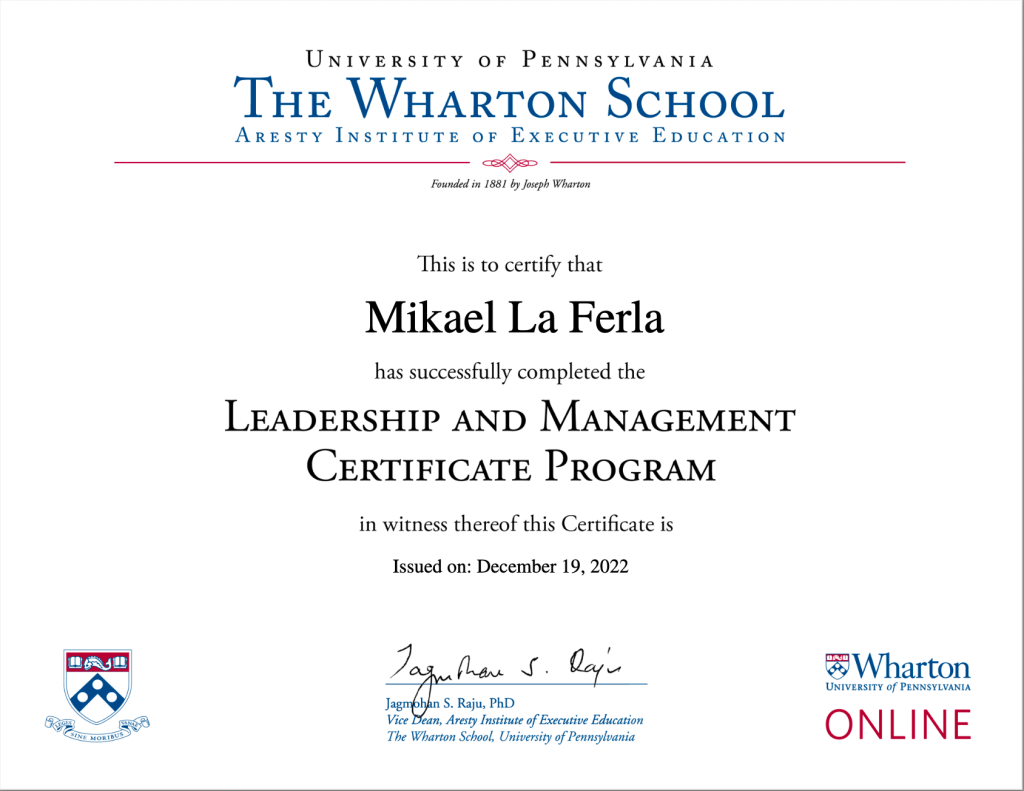
 Mikael La Ferla